

Sewing Can Be Fun!
Fashion and design trends may come and go, but if you can read a pattern and use a sewing machine, you can create your own wardrobe or home décor. You can recreate a current trend in your own colors and patterns or create your own individual style. Patterns and fabrics are available in a wide array to fit any style, including trendy ones! Once you have your sewing machine, fabric, and pattern ready, you’re in for a fun adventure. Welcome to the wonderful world of sewing!
But before you begin sewing, here are some basic tips on using a sewing machine:
- Select a simple pattern to start with. Choose one without zippers or buttons. As you become more comfortable with the basics, you’ll ace learning new techniques like buttonholes and zippers, along with fancier stitching. The fewer pattern pieces, the better. For home décor sewing, simple curtains and table linens are a good start.

- New machines will be ready to use. You don’t need expensive ones with elaborate stitching options to start, but if you have one, great. If you’re working with a used machine you want to make sure it’s in good working order. Cleaning and oiling are easy if you follow the machine user’s manual. Manuals are available online for most machines, if you don’t have one. Your manual should tell you when and where to use the oil. Keep lint and dust out of the tension wheel and bobbin case, as these cause unnecessary sewing problems. Keep your machine in its case or cover between uses. Plastic cases and covers are available for various models of machine.
- Check your stitches. Do a few practice stitches on scrap fabric of the same weight as you’re using for your pattern. The upper and lower threads should loop evenly between the two layers of fabric. If the places where the threads cross are visible on the top or bottom of the fabric, you may need to adjust your tension. Refer to your owner’s manual for where to adjust this for upper and lower stitches.
- Be sure your needle is the correct size for the fabric you’re using, and your thread is good quality, not old and fraying. Needle packages guide you to the correct size. Again, most machines will have a basic needle included to start.

- Take some time to try out the various stitches available on your machine. This is particularly important if you do buttonholes or fancy stitches. If you don’t have lots of stitches, don’t worry. You can do a lot of sewing with just straight and zigzag stitches.
- Your pattern is chock full of information. Refer to the measurement guide on the back to select the proper size. Patterns are not sized the same as ready to wear clothing, so take your measurements before purchasing a pattern. Also, on the back of the pattern, refer to the types of fabric recommended. Avoid stretchy fabric if you’re starting out, as pattern placement and stitching are a little trickier. Fabrics like velvet and corduroy have a “pile” which also requires specific layouts. Read your pattern instruction sheet. It will explain placement of your pattern on your fabric, and stitching sequence of pieces.
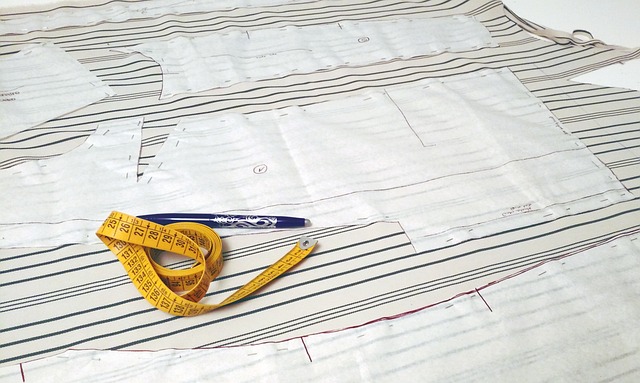
- Use good fabric scissors to get clean cuts. It helps to have a few basic supplies. A seam ripper, sorry to say, is basic and will save you a lot of headaches if you need to remove stitches. Straight pins, thread to coordinate with fabric, tape measure, hand sewing needles for hems (unless you prefer to use iron-on seam tape and avoid hand stitching).
Glossary of Common Sewing Terms
As with any craft, sewing has some specific terms that you should be familiar with. This will make reading a pattern and running your sewing machine easier and more fun! Enjoy!
| Alterations: Changes made to the fit of the garment. Backstitch: Sewing in reverse to secure stitches. You want to start and end a row of stitches with a few backstitches. The sewing machine has a button or knob to do this easily. Baste: Temporarily joining fabric with large loose machine or hand stitches that are easily removed, to check fit and make alterations as needed. Bobbin: A small spool of thread that creates lower stitching and connects with upper thread. Decorative Stitch: Stitches that are for embellishment and decoration. They are not used for the construction of the project. Directional Stitching: Stitching in the direction of the grain in woven fabrics. In knits, stitch all seams in the same direction (for example, top to bottom of all pant leg seams) to avoid pulling and stretching. Facing: Fabric along seams of collars and necklines that creates a finished seam and is on the inside of a garment. It creates a clean edge along arm holes and necklines. Feed Dogs: The “teeth” under the needle plate on the sewing machine that move fabric as it is sewn. Flat Felled Seam: A heavy duty, durable seam, typically seen on jeans. French Seam: A completely enclosed seam, created by stitching wrong sides together first, then turning right sides together and stitching again. Allow more fabric for seam allowance for French seaming. This is a more advanced seam but adds stability and a clean inside edge. Gather: A method of pulling fabric together to create fullness or ruffles. Hem: The lower edge of the garment that is turned under to finish the garment. Knits: Fabrics that stretch. Check that pattern can be made with knits, and check fabric requirements. Nap: The raised or brushed surface of fabrics such as flannel, velvet, corduroy. Fabrics with a nap will require more yardage as you want the nap to run the same throughout the garment. Non-woven fabric: Fabrics that are not made from yarn or thread and include faux leather, suede, felt, and various interfacings. Notches: Markings on patterns used for matching sections of a garment to assure correct alignment. Pile: Fabric that looks different when brushed in the opposite direction. This includes corduroy and velvet. These fabrics require more fabric. Pre-shrinking: Laundering or shrinking the fabric before it is used. Some fabrics are pre-shrunk, but cottons may need pre-shrinking. Presser Foot: Holds down the fabric while the needle is in the fabric. There are many different types of presser feet that serve different functions. Seam Allowance: The fabric beyond the sewn seam on the inside of a finished item. Seam Ripper: A small tool used for unpicking stitches. An essential sewing tool! Selvage: The edge of raw fabric that is unable to fray. It usually has company info or color matching dots. This should be cut off before cutting pattern, as it does not have the same give. Serger or Overlock: A sewing machine that stiches and cuts finished seam in one step. This can be seen in most manufactured clothing. Stay-stitching: Stitching done inside the seam allowance, before construction, to stabilize curved or slanted edges and prevent fraying during stitching of seams. Test seam: A seam sewn on a scrap fabric to see how the stitches look. Thimble: A metal or leather fingertip for protection during hand sewing. Topstitching: Hand or machine stitching that shows on the outside of a garment. . |

 livingbewitchingly.com