
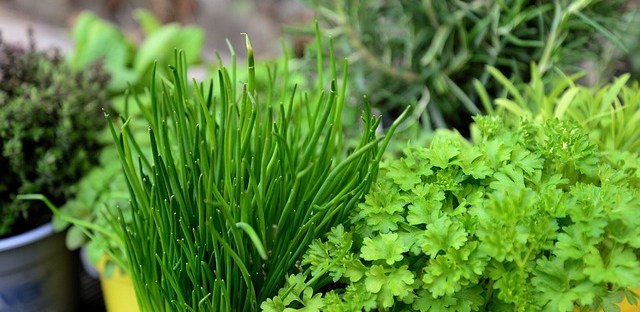
If you‘ve been enjoying your fresh herbs since they were big enough to start snipping and using, you have probably noticed a few things. First, you love the way the fresh herbs add flavor to everything you cook. Second, you probably have enjoyed some of the great craft projects that use herbs, for yourself and as gifts. And last, and most fantastic of all, you’ve seen that the more you snip and use your herbs, the more they grow, which will give you even more great herbs to harvest and use in your favorite recipes and crafts.
There are a few ways to preserve these wonderful plants for use later. Depending on the herb and what you are using it for, the methods vary. The best time of the growing cycle to pick your herbs also depends on what you will be using them for. But always pick on a sunny day, after the dew has dried. Clean up any debris, weeds, bugs, and dried leaves. You do not want to preserve them!
For kitchen herbs, there are a few different ways of preserving.
- To preserve herbs for cooking, pick them at the peak of their growing season. This is when they have just begun to form buds. The leaves have the most essential oils before they go to seed or produce flowers.
- If you plan to use them for teas, pick them when the blooms are just opened. Drying, again, is the most popular and simplest drying method. But depending on the herb, the process differs.
- Some herbs can be bundled (chives, lavender, lemon balm, marjoram, most mints, oregano, rosemary, sage, savory) and hung to dry.
- Herbs with large flat leaves, like bay, should be separated from stem and placed flat on a screen to dry.
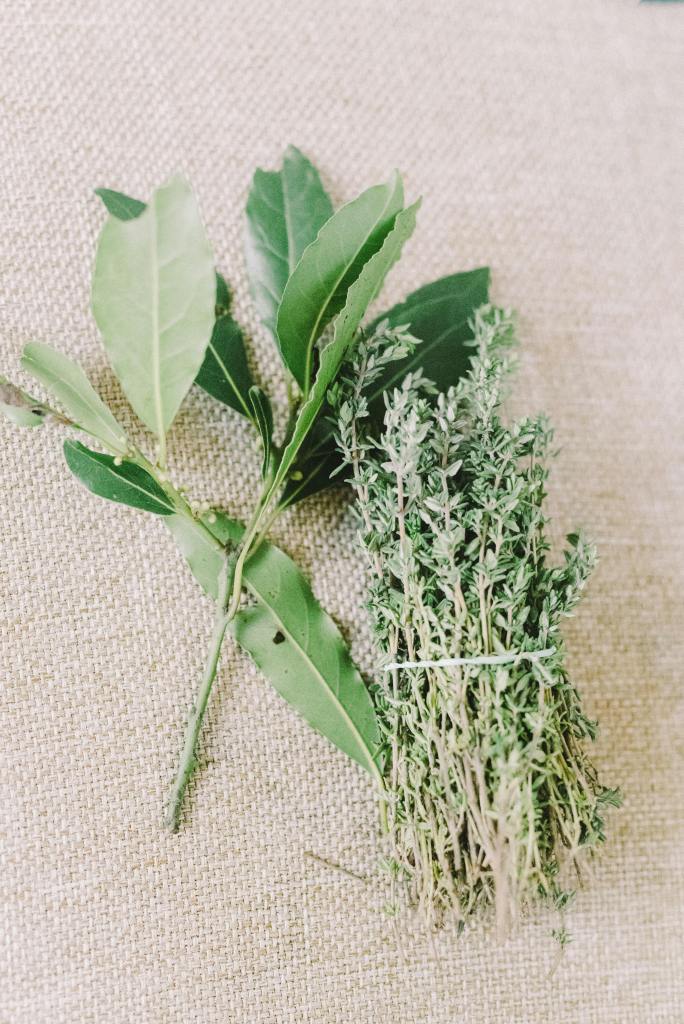
- Herbs with curlier leaves (parsley, lovage, basil, apple mint, chamomile, dill, thyme) do better if they are handled a little differently. Cut off most of the stem on these, cut up the leaves, leave the flowers whole and lay them flat on a screen so air can circulate. Leave them in the air to dry.
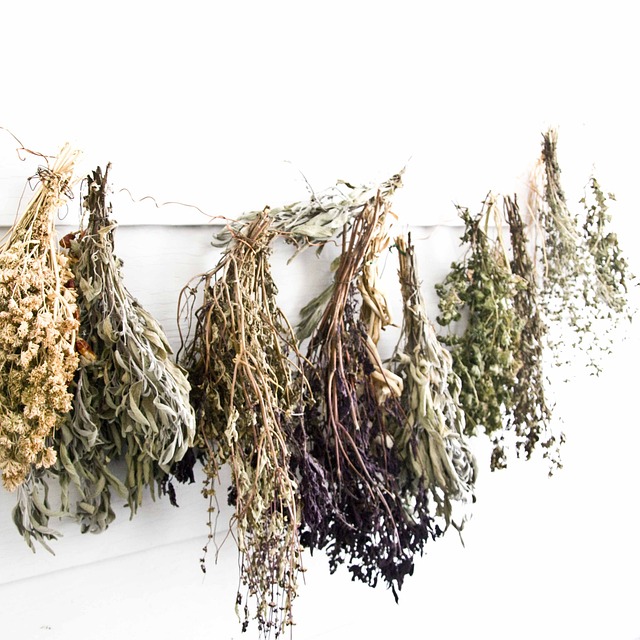
- Gather small bundles of each herb separately. Wrap a rubber band around them, tie with a ribbon or string, and hang in a cool place away from direct sunlight and humidity (not over a sink or near a stove or window).
- In a hurry? Put them on a cookie sheet and put in a 150° oven for a few minutes. Watch them carefully. At this temperature, you should not smell the herbs. If you do, the herbs are cooking, not drying. Lower the temp and continue watching.

Once your culinary herbs are dry, it is time to strip the leaves from the stem. Hold each bundle in one hand and run your other hand down the length of the stem over a bowl. Or, roll the bundle between your hands over a bowl. Once stripped, you can either leave the herbs in various size pieces or put through a sifter for a finer texture. This is better for blending different herbs, so you can get a consistent mix. Store them in a labeled jar out of the light. If properly stored, these herbs should keep for a year.
If you want dried herbs for craft projects, you may want to harvest them at various times in their growing cycle. Start by collecting young, small stems and leaves. Then when they’re fully grown collect more. And when they produce their flowers and seeds, complete the cycle. In a wreath or garland, combining these makes a beautiful arrangement. And the process is quite simple.
- Use kitchen shears to cut a bunch of herbs about the size you can hold with one hand.
- Separate them into small bundles or individual stems, depending on how you want to use them in your project. If you plan to combine them in a project with other herbs or flowers, you may want to keep the bundles small. You may choose a bundle of a single herb, or a combination of herbs. (You want to create the bundles when they are fresh, so they all dry together. Once dry, they will be fragile and can fall apart since they’re tangled together.)
- Wrap a rubber band a few times around each bundle, about 2 inches from the cut end of the stem. Tie a ribbon or string and hang in a cool, dry area with good circulation.
- To hang them in the kitchen, where they are decorative while drying, keep them away from the heat and humidity of the sink or stove, and out of sunlight. Take them down when completely dry (usually about a week, depending on humidity, and before they start to collect dust), and store in a box or can.
- You can wrap them in tissue paper to keep the bundles from getting tangled until you use them.
- When hanging your herbs to dry, consider making a few extra bundles to keep in the kitchen for decoration and sweet aroma.

 livingbewitchingly.com