
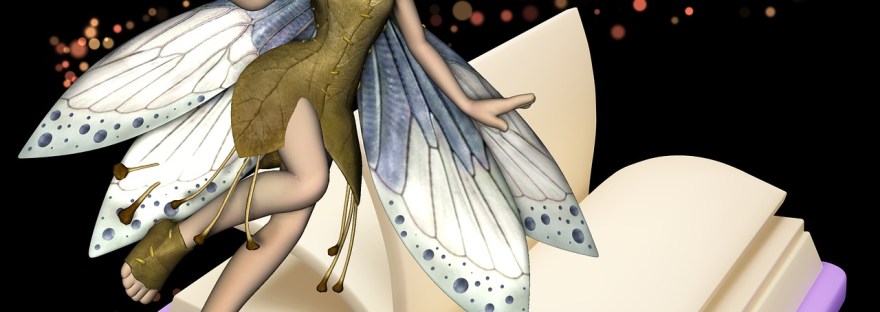
International Fairy Day is coming, June 24th!
Icons of Fairy Legend and Folklore
Bring the Fairy Magic Home
Fairies in Music
Fairies in the Garden
Fairies in Art
Fairies in Literature
In 1902, J.M. Barrie’s book, Peter Pan claimed that when the first baby laughed for the first time, its laugh broke into a million pieces, and they all went skipping, and that was the beginning of fairies.
Writers have found inspiration in fairies, attributing them with traits found in folklore and legend and embellishing them with characteristics and personalities to suit their personal literary needs. Partnering with creative illustrators, authors have created a plethora of books about fairies for believers of any age.
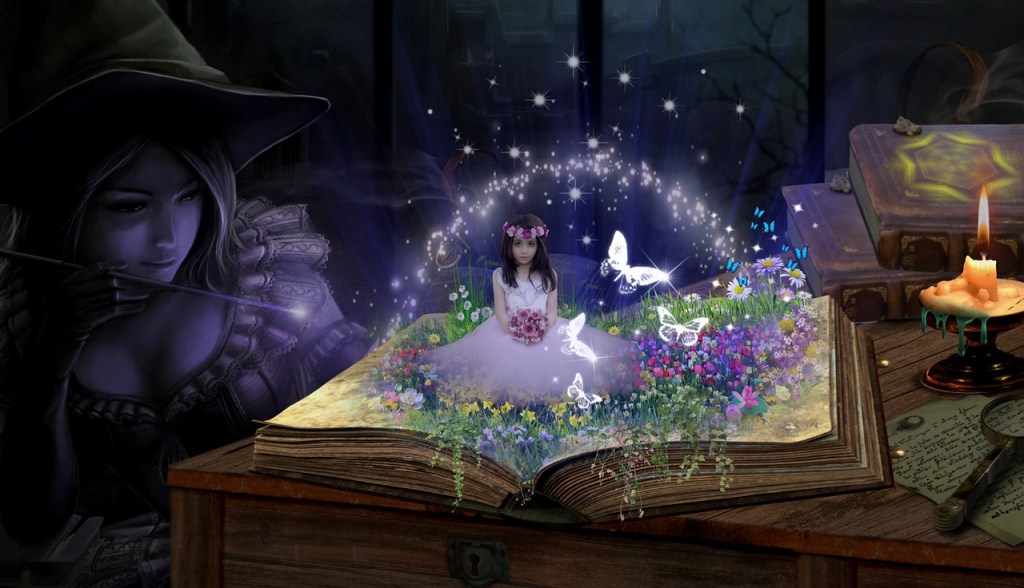
One of the most famous and recognizable fairy stories is Shakespeare’s “A Midsummer Night’s Dream”, featuring the fairy king and queen and the mischievous Puck.
“Grimms’ Fairy Tales” by Jacob and Wilhelm Grimm is a collection of over 200 European fairy tales dating from 1812.
“Flower Fairies”, is a 1920’s series of 27 books that capture both the beauty of nature and the fantasy of fairies. The watercolor paintings and books were written and illustrated by Cicely Mary Barker.
We all know Tinker Bell as the fairy who mends pots and kettles and is companion of “Peter Pan” and the lost boys. J.M. Barrie wrote the play in 1904 and it has been redone many times, as a cartoon and movie.
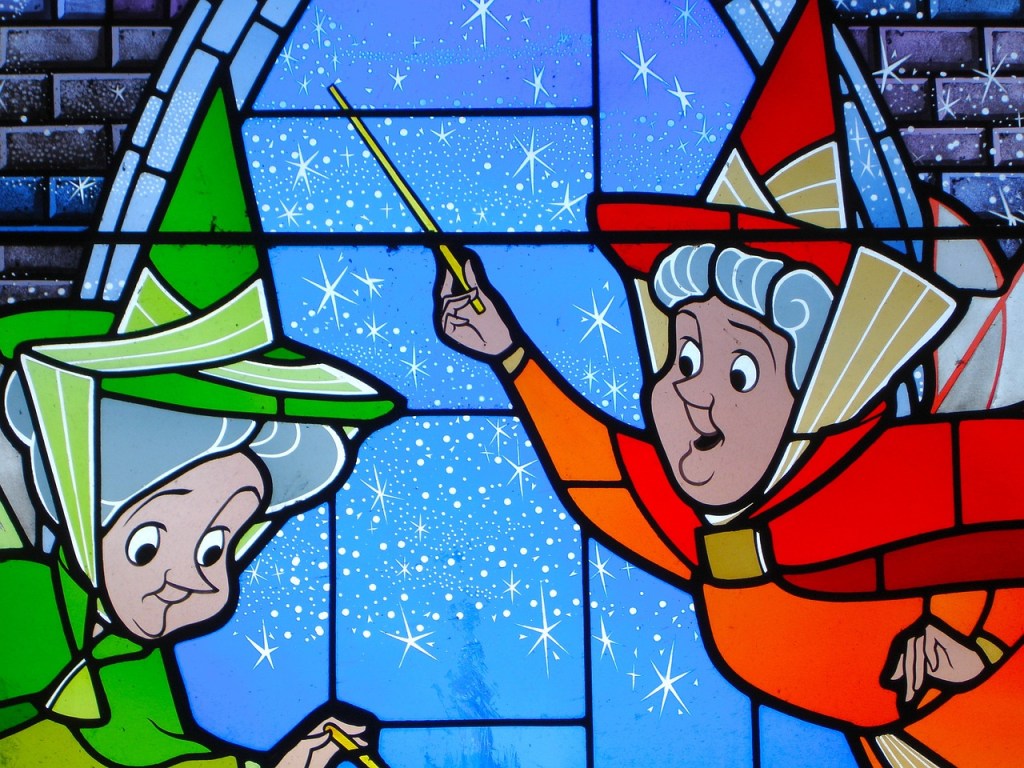
“Cinderella” is one of the most famous fairy stories about the fairy godmother who changes the life of a human girl. Although the Disney version is the most widely recognized, the story has roots in ancient Greek and Chinese lore. The 17th century French version by Charles Perrault became Disney’s animated classic.
And let’s not forget the first fairy most of us learned about – “The Tooth Fairy”. Though a legend of folklore, many authors have put their own spin on the written story.
Whether you read books during your fairy day celebration or watch one of the many video varieties, these stories will add to the magic and wonder of any day.

 livingbewitchingly.com