
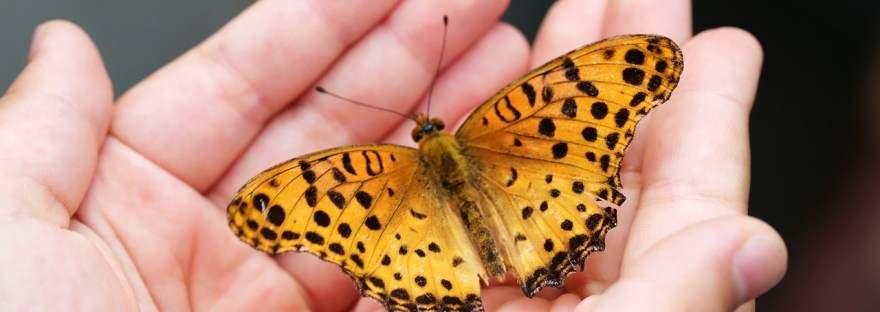
There is nothing more relaxing and enjoyable than watching butterflies flock to your garden. And you can create the perfect sanctuary for many types of butterflies. There are only a few things to consider . . . plenty of sun, shelter from the wind and the plants needed for food through their entire life cycle. Butterflies are very selective about where they place their eggs, but if you provide the right environment, they may complete their entire life cycle in your garden.

First, select the sunniest site in your garden. Butterflies need sunlight to warm their bodies for flight. Also, if you live in a windy area, provide windbreaks, such as a butterfly bush. A puddle of water in a dish of sand or even a mud puddle will provide water. The plants you choose will provide both nectar for adult butterflies and a place for caterpillars to feed. Since caterpillars actually prefer weeds, grasses and trees, your flower choices are the next important consideration. That patch of clover or wild Queen Anne’s Lace are beneficial for the caterpillars, as are milkweeds, fennel, parsley, dill, elm trees, oaks, willows and red cedar.
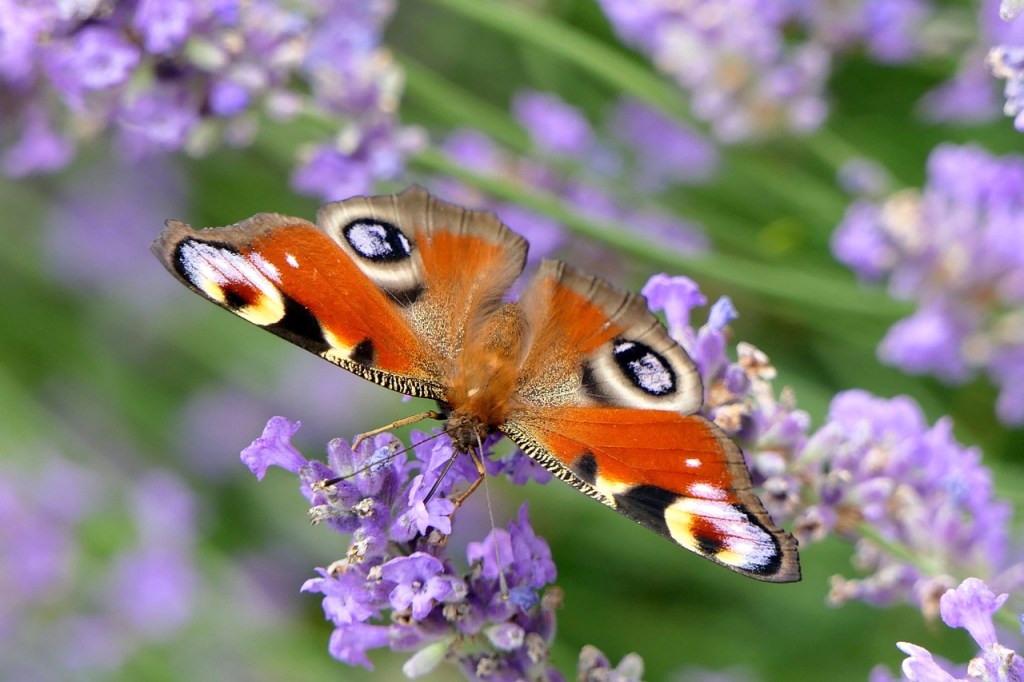
Think about this – a butterfly is drawn by the fragrance of flowers, and prefers flowers that provide a place to land, as they don’t hover like bees can. With that in mind, select plants that provide both and you’ll draw in an array of native butterflies. Tubular flowers and flowers with flat petals and strong fragrances are perfect. Consider asters, bee balm, coreopsis, goldenrod, lobelias, salvias, coneflowers, and sedum as perennial plants that provide nectar. To add variety annually, add globe amaranth, sunflowers, verbena, lantana and old-fashioned zinnias. Avoid hybrids that have been bred for color and size, as they have lost much of their fragrance through the hybridizing process. Select heirloom varieties. Butterflies are less concerned with color than with fragrance, so our beautiful peonies and mums don’t impress them much! But they do prefer purple, yellow and orange.
Although Butterfly Weed is a great wildflower in the eastern US, be careful about using it in the garden, as parts of it may be poisonous. If you don’t have to worry about children in the garden, it’s a great plant, long-lasting cut flower, and provides great pods that can be dried for winter arrangements. Do not use pesticides if you want to attract butterflies to your garden.
A butterfly garden is a wonderful learning tool for children. Select a section of your garden for a variety of plants and grasses that will attract butterflies, provide wind shelter if needed, and water, and try to identify the native butterflies that are drawn to your great space during different seasons. April is an active month for many varieties, and October is a busy migratory time. Select plants that provide for butterflies during these two busy times of the year and enjoy the show!

 livingbewitchingly.com