
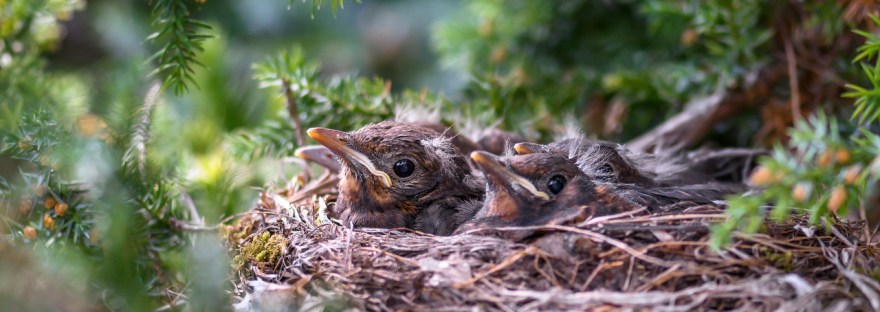
Imagine flying above your garden! Your beautiful flower beds that provide color and scent, a neatly manicured lawn, a patio for entertaining, and a pool or pond for relaxing would look just as inviting to you as they do from the ground. But what if you were a bird? Would you find the things you need to survive; things like shelter, water, food, and an area that is safe from predators to build a nest?
If you are trying to draw birds to your garden, your sanctuary must be theirs as well. And to create a place where the birds will want to stay, you must consider their needs at various times of the year. Those things are not typical in the average back yard. But there are things you can do to welcome birds to your landscape, and some are more economical for you and better for the environment.
Lawns offer no value for birds. And they cost us time, energy, and money! Herbicides, pesticides, and fertilizers have a negative impact on the environment and water use is wasteful. Convert some of your lawn area by adding more plantings as a first step in drawing birds into your space.
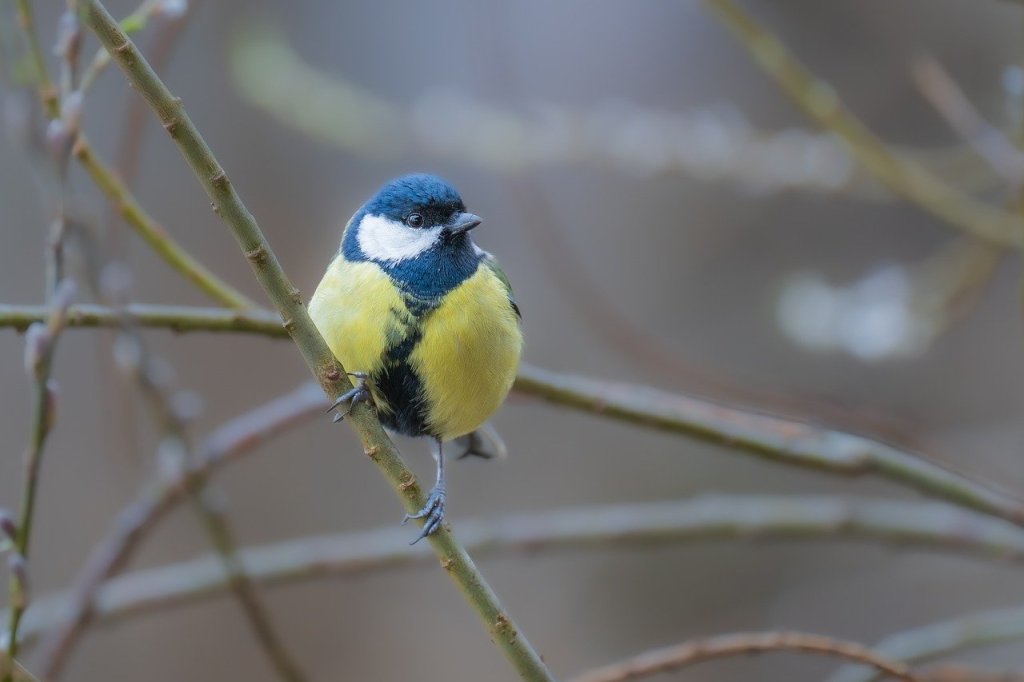
Widely spaced plantings do not provide the shelter birds look for when nesting. Consider mass plantings, and continuous edges of trees along your property line. Taller trees along an outside edge with shorter, fruiting trees and shrubs provide both shelter and food for birds. Native trees and shrubs that provide nuts, seeds, berries, fruit, and nectar are the best choices, since native birds have adapted to these food sources. Native insects are also available in native trees, and baby birds depend on them as their prime source of nourishment. Birds that migrate will be looking for large supplies of food to survive their long journey. Provide seasonal food bearing trees and shrubs for various birds and their nesting and migrating schedules.
You should provide several types of trees and shrubs for shelter as well. Evergreens provide protection from harsh winds and winter temperatures. And in the early spring they are the only shelter available in many areas. Stagger the layers to provide ample coverage for all birds that may visit, as not all birds nest high up in the trees but all do have a specific level they will nest at. Plan the arrangement, providing ample room for growth of the various trees you select. Water during the first growing season and during drought until they adapt to their surroundings.

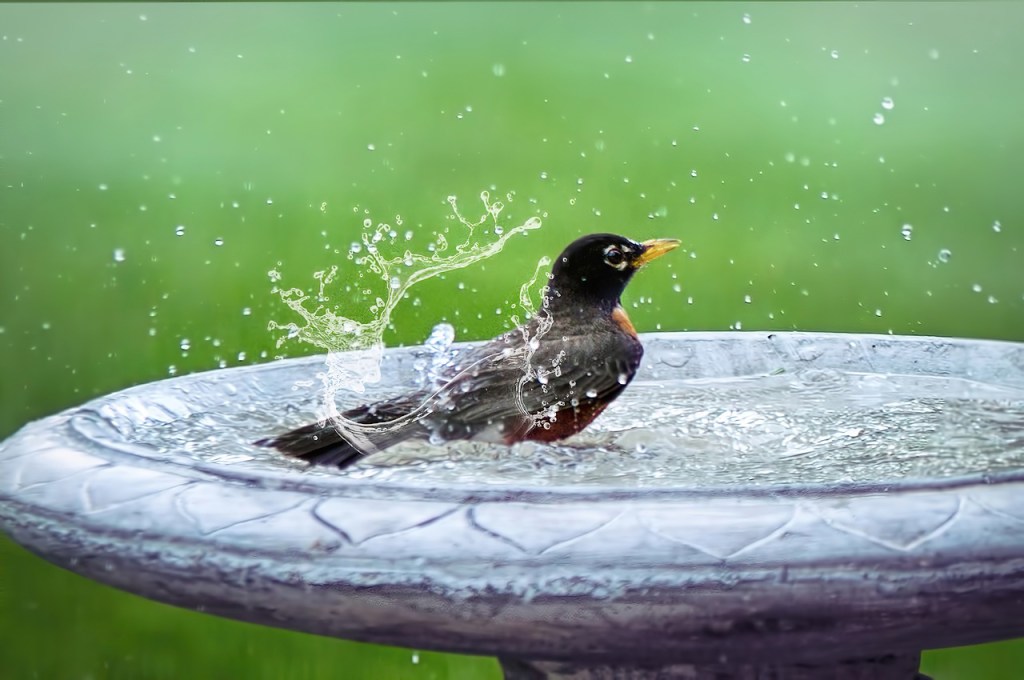
Provide bird baths for bathing and drinking. Keep them clean and full year-round. So often we fill bird baths during our outdoor season in order to enjoy the birds, and then forget them during the fall and winter, when the birds still need them. Keep them from freezing in winter and always keep water fresh. The bird bath should be about 3 feet tall and near shrubs or trees where birds can escape from predators. Place flat rocks along the edge to create terraces for perching.
Since many birds are accustomed to nesting in the cavities of dead trees, and we usually remove these from our properties, provide artificial cavities for them to nest in. Wooden bird houses can be placed in a sheltered area for the birds. Once they have been started, do not disturb them or the birds may not return to the nest.
Then, sit back in your sanctuary and enjoy the sights and sounds of birds as they discover the sanctuary you have created for them.
Contact your local County Extension Office for a list of native trees and birds for your area.

 livingbewitchingly.com