

There is nothing more delicious than a freshly picked, home grown vegetable. If you’re limited on space for a large vegetable garden, you can still grow several vegetables in containers on patios, rooftops, balconies or in a small yard. The most important thing to consider in placement of container plantings is sunlight. Most vegetables require 8 hours of sunlight every day. Even root vegetables need 6 hours, while leafy veggies like lettuce and spinach can do well on only 4 hours of sunlight.
What to Plant
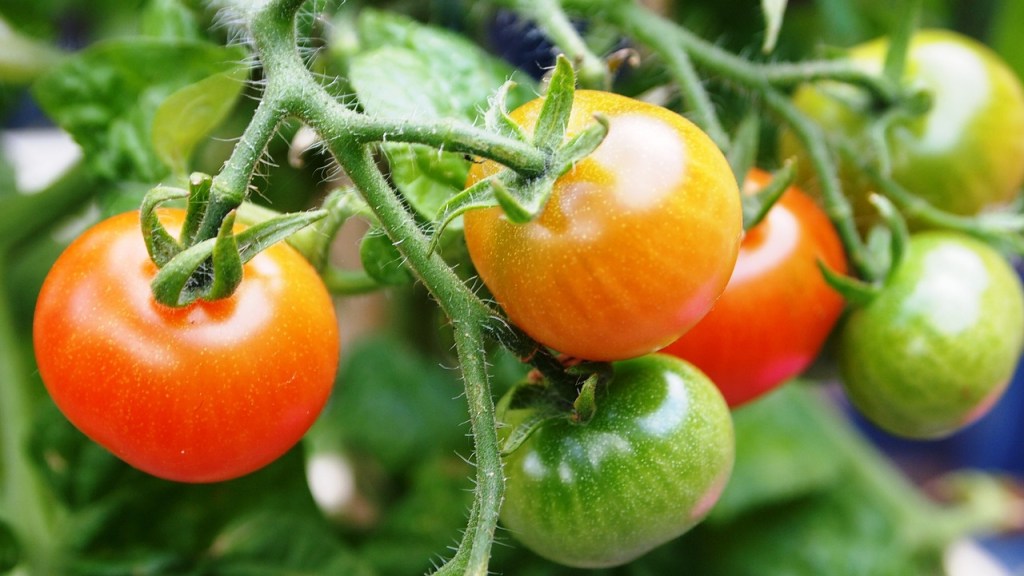
You can grow large plants like peppers or eggplants in individual containers. Surround them with fast growing lettuce or radish to fill in beneath to use this empty space. Herbs are also good to plant around the base of large plants. Dwarf varieties of vegetables may be available and are well suited to container gardens. Some of the more common vegetables to grow in containers include cucumbers, eggplant, tomatoes, bush beans, cabbage, radishes, peppers, lettuce and carrots.
Select a Container
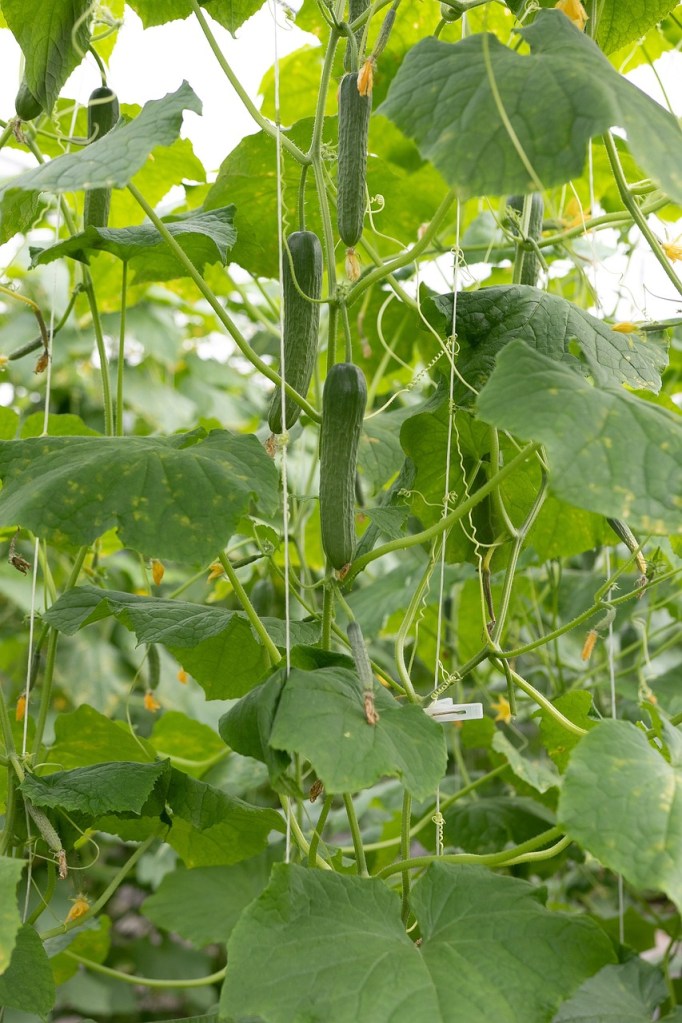
The size and type of container you choose is important. You can use plastic or terra cotta pots, baskets, wooden boxes, or buckets for most vegetables. Large plastic pails or trash cans will provide ample space for cucumbers and tomatoes, which have a deep root system. Window boxes are good for lettuce and radishes, as they have shallow root systems. Be sure the container has ample drainage holes, regardless of its size. If using a wooden box or plastic pail, drill a few drainage holes before potting. And be careful not to use any wood treated with preservatives for your vegetables. Also, keep in mind that taller, heavy plants like tomatoes or cucumbers can require staking as they grow.
Placing the Container
Placement of your container is also important. If you think you might have to move your containers often to get the sunlight needed, you can use trash cans with wheels or add casters to wooden boxes or barrels. Small containers can be grouped in a wagon or on a wheeled base. Don’t place the containers near trees or other structures that will shade them. Keep the containers at least a foot away from any heat-reflective surfaces like brick or masonry walls and arrange them so low-growing vegetables are not shaded by taller varieties as they grow. Consider those that may require staking or trellising as they get bigger and heavier.
Planting the Container
Once you provide adequate drainage holes, place a layer of gravel in the bottom of the container. Heavy topsoil or potting soil can become tightly packed in a container. A synthetic mix will hold moisture better, allows better aeration, and will make the container lighter and easier to move. Most garden supply centers have these premixed.
Companion Plants
Some plants grow better when they are grown with a “companion” that encourages its growth. Some veggies that grow well together include radishes with cucumbers, basil and tomatoes, onions and carrots. Keep the companions in the same container and all will grow better. And don’t forget to throw in some edible nasturtiums for a splash of color.
Care and Feeding of your Container Veggies
Plants in containers always dry out faster than those in the ground. This is true for flowers, herbs, and vegetables. You may need to water two or three times a day, especially high-water content vegetables like tomatoes and cukes. Be careful not to over fertilize – remember, the fertilizer has less growing medium to work in than open ground. Start with ½ tbsp. of 20-20-20 water-soluble fertilizer per gallon of water per week and increase to 1 tbsp. once the plant is mature enough to maintain healthy growth. Check your fertilizer for the correct amounts.

Check periodically for signs of disease or insect infestation. Pick off any bugs that attack and apply organic pesticides if needed. Plant garlic among your veggies to ward off Japanese beetles, mint to keep the aphids away, and pot marigold to stop asparagus beetles. Watering at the ground level rather than on the plant leaves and spacing of plants to provide air flow will help avoid molds and mildews that can attack any plants.
With a little planning before planting and care during growth, you’ll have a bountiful harvest from your container vegetable garden.

 livingbewitchingly.com